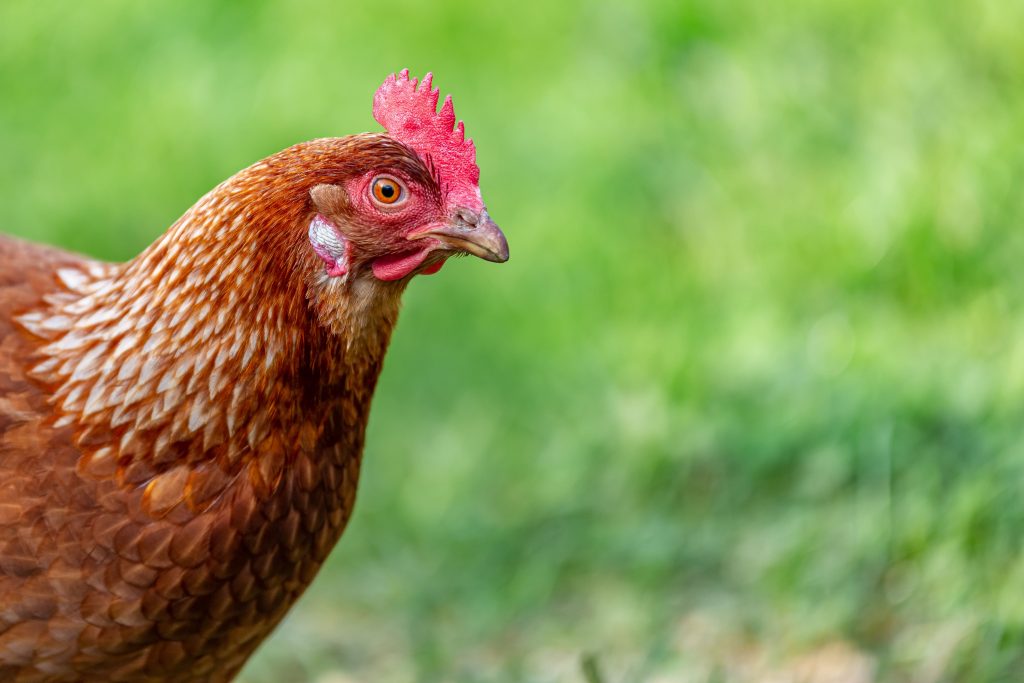
Addressing oxidative stress in poultry: from ROS to practical nutritional support
Modern poultry have been selected for rapid growth, improved feed conversion and high production rates (Zulkifli et al., 2011), which increases metabolic heat production and reduces their thermal tolerance.
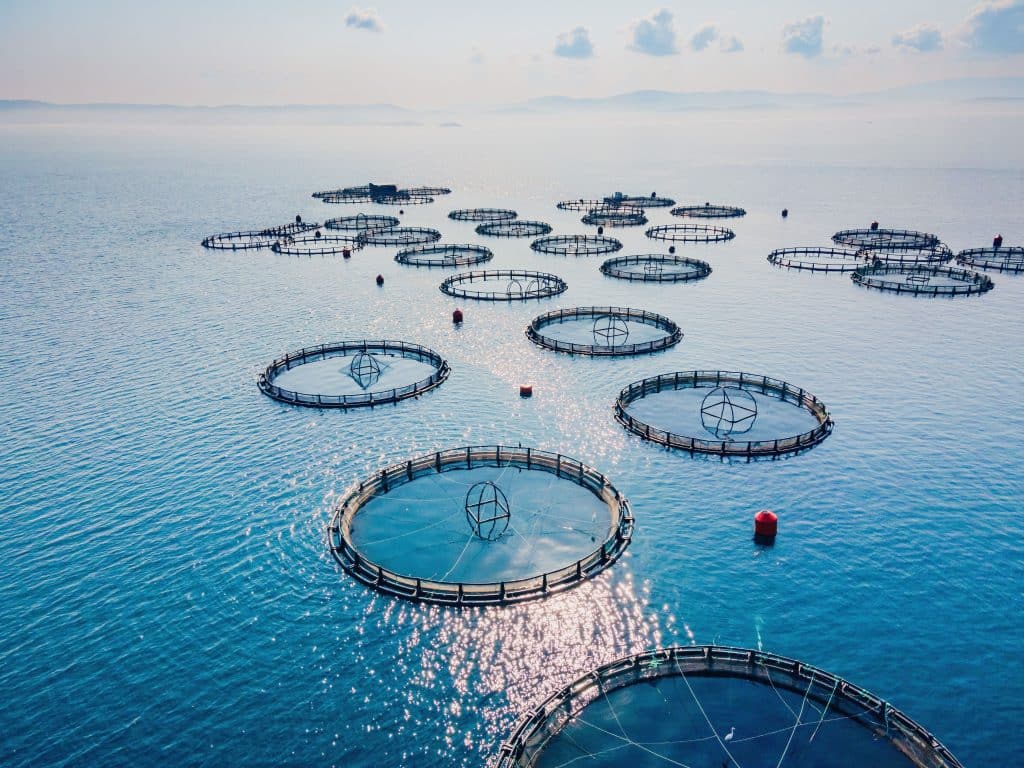
Reducing nitrogen emissions into water: benefits for closed aquaculture systems
Nitrogen (N) is one of the main elements that make up living organisms, along with carbon, oxygen and hydrogen. On average, it accounts for 2.5 to 3.5% of the dry organic matter in animals.